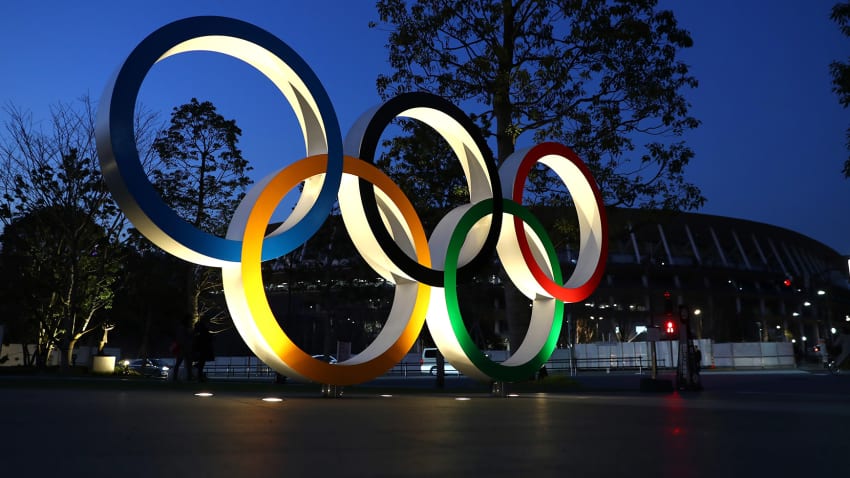
We’re now roughly six weeks away from the start of Tokyo’s Summer Olympics. Amid the COVID-19 concerns that prompted a year-long postponement. An approach familiar to Americans will power the world through the games.
For the last year, American sports leagues trudged through this pandemic. Crashing through shortened seasons in various major league and college sports. Even the National Football League crashed through their 2020 season. Despite having the least disruptions compared to other major leagues. NFL teams still had their typical 16 game regular seasons.
The NFL had to resort to playing a game on a Tuesday. Something that only happened one other time before the pandemic since 1946. The previous game was in 2010 due to a blizzard. There was also a game played on a Wednesday. Something that only happened one other time since 1948. That previous exception was the 2012 NFL Kickoff Game. Held on Wednesday to avoid conflicting with then President Obama’s speech at the Democratic National Convention the next day.
Major League Baseball stumbled through a 60 game regular season last year. Featuring seven-inning double-headers, other rule changes and pandemic pauses that lasted for several days. Even the Cincinnati Reds were not spared from those pauses. College Football and College Basketball went through shortened seasons. College programs endured long pauses between games too. Some conferences started their condensed football and basketball seasons months after others. It all brought new meaning to the term “hot mess.”
Despite valid health-related reasons to not have sporting events during the pandemic. Various sporting events went ahead in 2020 and endure on in 2021. There are two main reasons why we pressed on with major national sporting events. There was big money at stake for professional and college teams. More significant, there was an attempt to boost the public’s morale. Amid a time that was frankly dispiriting for the United States and the world. Those two dynamics will propel the upcoming Summer Olympics forward.
Concerns over this summer’s Olympics have risen in recent months. Due to the toll the COVID-19 pandemic continues to take on host nation Japan and elsewhere. Tokyo itself is under a COVID-19 state of emergency. Souring the public appetite for the games in Japan. A survey from last month suggest a majority of Japanese citizens wanted the games delayed or canceled.
While public morale around the Olympics appears low in Japan. There’s also the hope of boosting global morale to consider. Boosting community morale was perhaps the biggest reason why high school sports went forward this past school-year. The morale of the students, coaches, staff , parents, alumni and others. High School sports don’t generate much revenue for schools. Some schools resort to cutting sports to save money. Some districts have used the threat of cutting sports in the hopes of getting levies passed.
High school sporting events are major social events in many communities. At the best of times, the Olympics can have a similar effect on a global scale. The games operate like a bridge between communities and the world. There are few events that bring the world together like the Olympics. World’s Fairs have become an international afterthought in recent decades. The FIFA World Cup is the closest competition sports-wise to match the Olympics grandeur. However, most of the world’s nations don’t get to compete in the World Cup.
Then there’s the morale of the athletes and others involved in hosting the games to consider. Athletes and all involved in hosting the Olympics put years of work into it. Nations pump in billions of dollars to get the bid to host a roughly two-week event. Athletes spend much of their youth preparing for the Olympics. There’s no guarantee they get to appear in one or more.
For most Olympic sports, the games are the pinnacle event for that sport. For many athletes, the games don’t bring about the windfall of cash and endorsements others get. Canceling the games would be heartbreaking for the athletes. Especially after dealing with pandemic-related hardships. On top of the varying pre-existing obstacles an athlete already faces en route to the Olympics.
There’s also the money angle for Olympic organizers to consider. The year-long postponement of the games have added to the gargantuan cost of these games. Japan is spending at least $15.4 billion to host the games. That’s roughly $2 billion over organizers original budget. According to The Guardian, the International Olympic Committee could lose up to $4 billion in broadcasting revenue if the games are canceled.
NBC also stands to lose money and a potential viewership windfall if the games are canceled. The network’s broadcasting rights contract makes up a hefty sum of the IOC’s revenue. With so much money at stake for broadcasters and organizers. Staging the games, even with various restrictions for athletes and fans, would help lessen the financial blow. While hopefully prompting the IOC to get serious about staging future games in a safe and fiscally responsible way.
Unless it’s canceled, the upcoming Olympics will happen because it’s too late to reasonably delay the games further. There’s no publicly known back up plan regarding these games for the IOC. If one was in place, it needed to be implemented months ago. It’s one thing to move the Rose Bowl Game from Pasadena, CA to Arlington, TX. All that was needed in that regard was a football stadium. Moving a global multi-sport event to a different place at the last minute is a herculean task. Finding sufficient facilities to have competitions and house athletes on short notice would be challenging.
There’s no way to tell if these games will ultimately boost Japan’s morale. Given the harsh financial toll and even harsher toll of COVID-19; it’s unlikely but not impossible. Nor is it clear whether it would boost morale in the United States or elsewhere. Nevertheless, the Tokyo Olympics could provide the best opportunity to give the world something it craves. A moment of joy amid a turbulent pandemic for the world.

 Cincy Sports Journal
Leave a comment