As the end of another roller coaster week for college football looms. With some conferences canceling fall competitions as others press on. A spring season is the safest and now potentially more lucrative option.
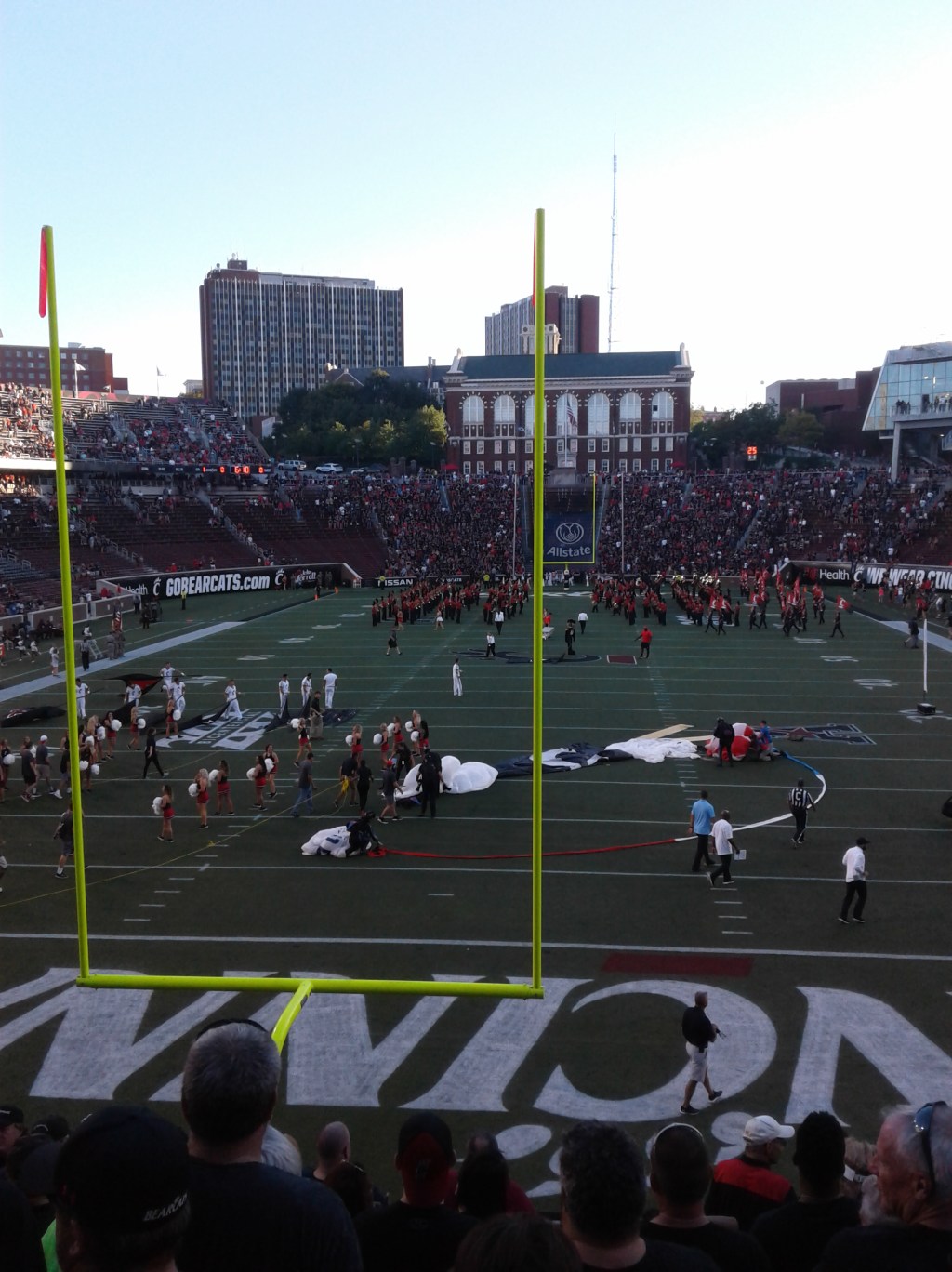
Consider the conditions most college football games will be played under this fall. We’re looking at games in empty or at best mostly empty stadiums. Zapping away part of what makes college football games such a fun spectacle. The sight of thousands of fans of all ages cheering, booing and even crying. With color coordinated displays adding to the traditions that make college football special.
Schools and their fan bases will likely be derided as recklessly irresponsible. If they have fans packing stadiums that can fit anywhere from 40-100,000 fans this fall. Facing potential criticism for putting money ahead of public health. It likely wont do much to boost a school’s academic reputation. Several outbreaks have been attributed to large gatherings. With that in mind, the atmosphere of a typical football game could be a recipe for disaster.
Second, different conferences still planning to play this fall face inconsistent schedules. Conferences are starting and ending their regular seasons in differing weeks. Instead of everyone starting up around Labor Day and wrapping up around Thanksgiving like usual. Now, Cincinnati Football and others face a schedule that looks like a slice of Swiss cheese. A quarter of Cincinnati’s original schedule has been wiped out by postponements and cancellations.
A spring season gives programs time to adequately streamline their schedules. Depending on the state of the pandemic, more fans in the stands might be allowed too. Giving schools an extra opportunity to recoup potential financial losses. While providing an incentive for fans and communities. To get serious about getting a handle on the COVID-19 pandemic.
The NFL Draft and TV networks will likely adjust for a spring season. After all, college football is basically the NFL’s farm system. While potential draftees might opt out of a spring season. Many players are already opting out of playing this fall. Regardless of their school or conference’s fall plans.
Speaking of the players, a spring season gives teams more time to deal with players safety concerns. Specifically through giving medical officials more time to study the effects of Myocarditis. A heart condition afflicting several athletes that contracted COVID-19. Concerns over Myocarditis was a contributing factor in the Big Ten Conference’s decision to cancel fall sports. If colleges aren’t going to pay their athletes, the least they can do is help athletes stay healthy.
By spring, school’s safety protocols will hopefully be running smoothly. With students on campus for in-person instruction. Colleges can’t even guarantee that for students and staff right now. Which is one of the reasons why several conferences are punting fall sports to the spring. To give schools time to safely re-open and adjust if things go awry early on.
Schools shut down campuses and sent students home when the pandemic hit. This month will be the first time many schools re-open for in-person classes since March. Many are still opting to have just online classes this fall. Managing an outbreak is already a challenge for football teams on mostly empty campuses. It will be more challenging for colleges to deal with outbreaks with thousands on campus.
That last sentence deals with the ultimate obstacle for college football. Colleges need to look out for far more than their football players. Ensuring health resources are available for a diverse student body. Including folks from working and middle class backgrounds; struggling to make ends meet just to attend college. America’s major professional leagues have the resources to provide adequate testing. Unless students and staff are prepared to live like cloistered nuns or monks for months. Colleges won’t be able to function in a bubble like the NBA, NHL and MLS have.
Ultimately, a spring season gives everyone extra time to get their houses in order. To provide the best environment possible for the resumption of college sports. The current scrambled approach provides the exact opposite for all concerned. Instead, the game is becoming a literal political football. With programs facing pressure to play this fall; from politicians that have much more important issues to deal with.
College conferences would be wise not to squander the extra time spring provides. If the extra time is squandered, they risk magnifying the current chaos engulfing college football.

 Cincy Sports Journal
Leave a comment