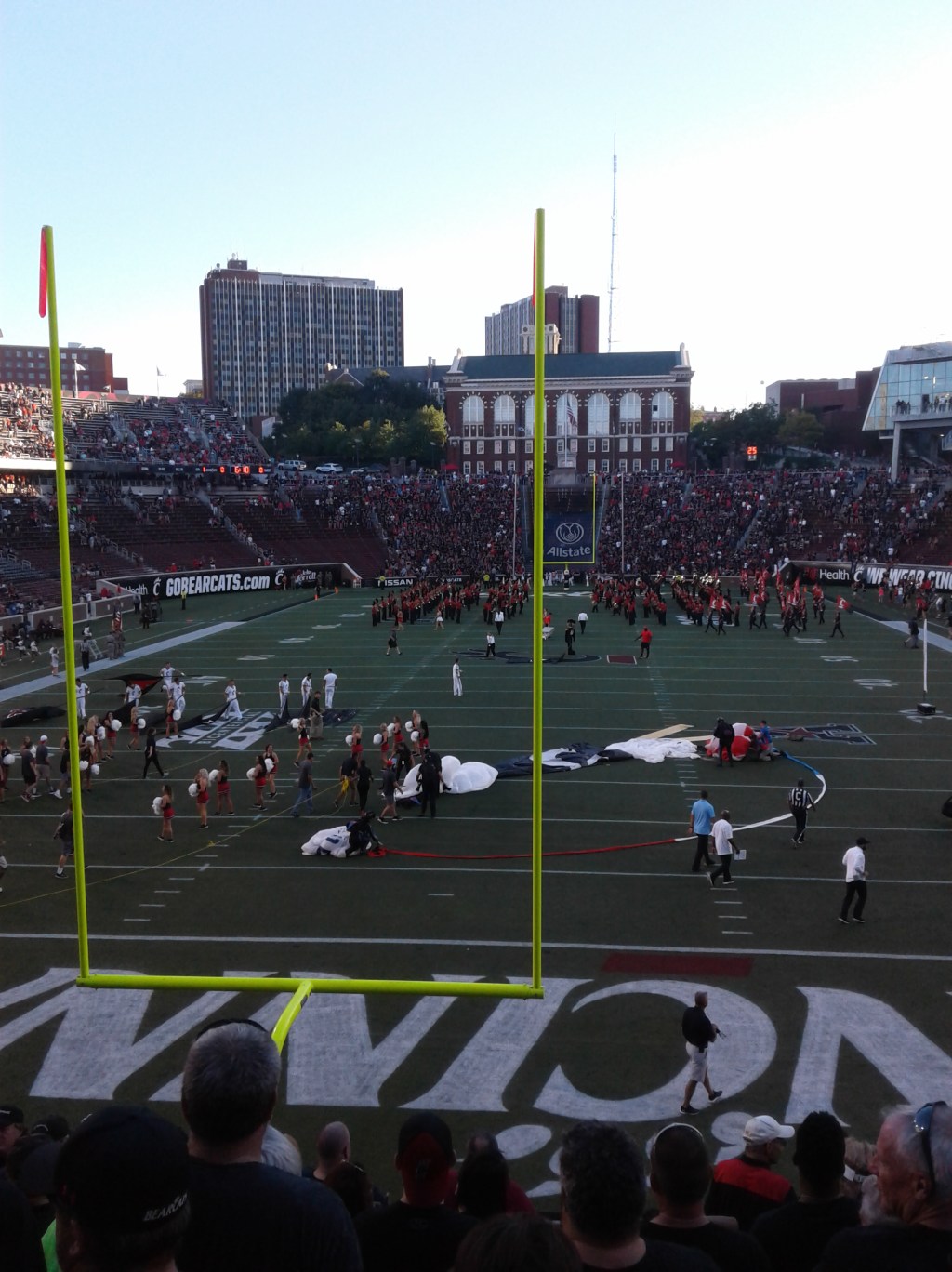
College sports are holding up a mirror to America right now. Through the dis-unified approach taken by the NCAA and conferences towards the COVID-19 pandemic. Along with their approaches to the upcoming fall season.
The NCAA is basically leaving decisions about fall sports up to individual conferences. As a result, we’re seeing a patchwork approach. With individual conferences acting on their own. Which is the same approach the country has taken with the pandemic. State and local governments are being left mostly to fend for themselves.
There are times when this kind of a approach is the most appropriate one. This pandemic could’ve been one of those times; if everyone had their act together. If everyone had an adequate level of resources needed to deal with this. Along with leaders acting in a responsible and collaborative manner. Unfortunately, that’s not how America’s response to this pandemic is playing out.
Instead, America’s response continues to be a politicized and dysfunctional wreck. America doesn’t have anything close to a robust contact tracing strategy. Despite being home to the most successful tech firms in the world. The lack of and slow response time of testing is a national embarrassment. Instead of working together, states compete against each other for resources. States also approached closing down and re-opening in wildly different ways. While people engage in an inane culture war over wearing masks.
College sports continue to convey the seriousness of this pandemic. Initially doing so through the cancellation of games and tournaments in March. Recent college sports-related decisions are conveying the seriousness of COVID-19 again. First, the Ivy League cancelled their fall competitions last week. Several fellow FCS conferences are following the Ivy League’s lead this week. The Big Ten and Pac-12 conferences cancelled non-conference games last week. Earlier this week, the Horizon League postponed the start of fall competitions to October 1st.
These developments are unfolding while America grapples with a surge of COVID-19 cases. Putting not only the nation’s re-opening in jeopardy. The surge could realistically lead to the cancellation of the 2020 college football season. Without a consensus, the college football season could be a jumbled mess. With schools playing anywhere from zero to 12 games this fall. At worst, a patchwork approach can result in a dis-unified mess. Exemplified most notably by America’s pandemic response.
At best, a patchwork approach can lead to an eventual consensus. That’s what happened with college basketball back in March. First, some late regular season games were cancelled. The Mid American Conference decided to hold their tournaments without fans. Then the Ivy League cancelled their tournaments. Other conferences followed suit and the NCAA Tournament was cancelled. All of that happened within a one week span.
Conferences and the NCAA still have time to come up with a consensus about the fall. Giving everyone time to develop a safe and practical strategy. They’ve already had months to craft and implement strategies for the fall. Schools continue to plan and hold out hope for a football season. Having a season is a financial necessity for many athletic departments. The fact that games are already being cancelled is a concerning sign. These aren’t last minute cancellations; the football season is set to start in roughly six weeks.
The conferences making these decisions have access to the nation’s best medical minds. Those medical minds work at member school’s labs, medical schools and hospitals. Athletic directors have had months to consult with them. To weigh the health risks of playing a season with or without fans. At least six NCAA Division I conferences wont have a full fall football season. They’ve weighed risks and rewards and decided the risks aren’t worth the reward. Other conferences could reach similar conclusions in the coming weeks.
Ultimately, many things will be needed to have college sports in the fall. The biggest challenge is getting this pandemic under control. Unified approaches, readily-available resources and level-headed thinking are paramount. Those three things will be needed to ensure school and sports happen safely in the future. All three will also be needed to ensure society can re-open and function safely.

 Cincy Sports Journal
Leave a comment